
The House of Guinness: Why Iconic Brands Are Built, Not Born.
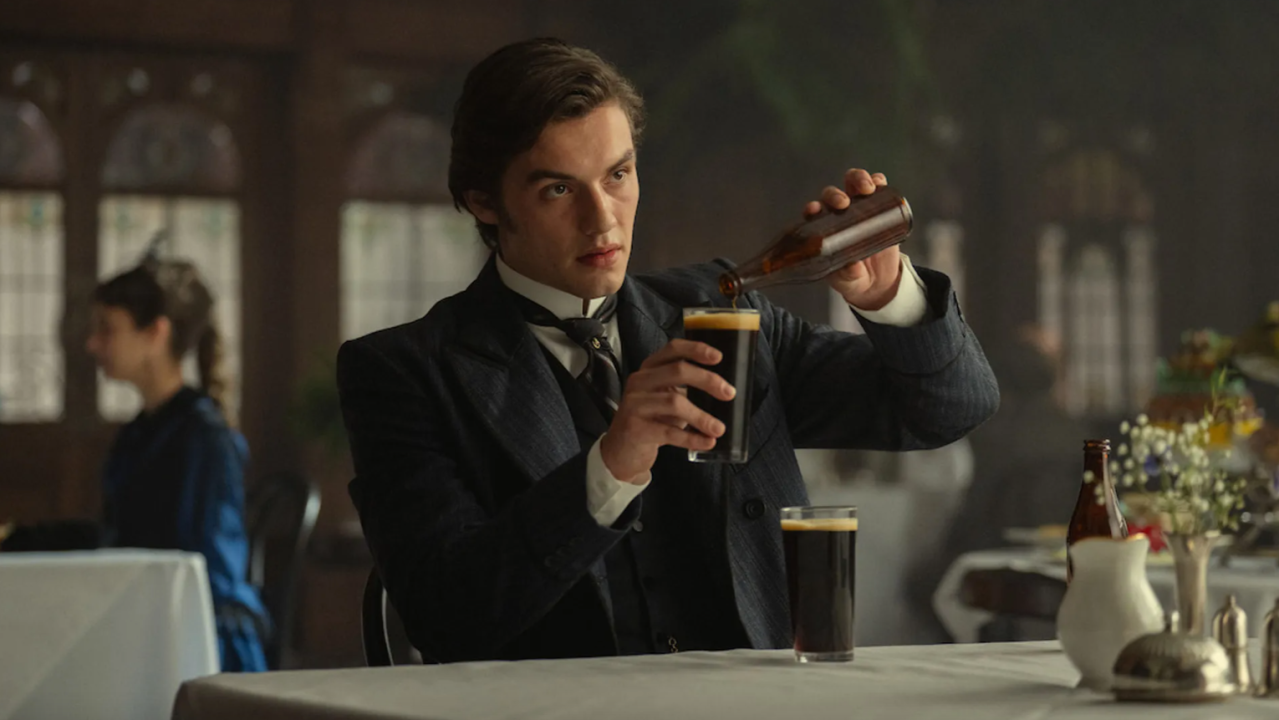
Some brands exist. Some endure. A rare few, like Guinness, become institutions.
Arthur Guinness didn’t just start a brewery in 1759. He signed a 9,000-year lease at St. James’s Gate in Dublin. That wasn’t just a business transaction; it was a statement of intent. A declaration that this brand was going to matter for centuries.
And it has.
Legacy over Liquidity
Guinness has never chased fads or short-term wins. Instead, it built rituals, heritage and meaning into every choice. The two-part pour. The harp. The black and white palette. The advertising that turned a pint into poetry. These weren’t marketing gimmicks. They were cultural codes, patiently embedded over time.
The result? A brand that isn’t just consumed. It’s experienced.
Now, the Netflix Version
It’s no coincidence that Netflix is bringing the story to life in its new series House of Guinness. It’s less about beer, more about the power of brand. At its height, the Guinness family was one of the richest in Ireland and Britain, with political influence and a vast empire of stout.
The drama centres on 1868, when Benjamin Guinness dies and leaves his four children in a “Succession-esque” crisis. His will demands that Arthur and Edward run the brewery together or lose everything. If it were fiction, you’d laugh at the plot twist. But it’s real. And it shows us something profound: brands like Guinness aren’t just built on product; they’re forged through vision, risk, conflict, and continuity.
The Question for Boards
In today’s world of disposable marketing, Guinness proves that greatness is a choice, not a chance. Its equity wasn’t luck. It was engineered, protected, and consistently invested in.
So here’s the uncomfortable question: if Guinness could think in centuries, why do so many boards only think in quarters?
Because a brand isn’t a logo, a campaign, a one-page marketing plan, or a “colouring-in” exercise. It’s a house. And if you build it with conviction, it will stand for generations.
Guinness chose that path. The results and now the Netflix drama speak for themselves.